Text EBAAuto to (972) 521-8538 to sign up for text marketing offers!

Se Habla Español

es en

5843 Curtis Dr #500, Allen, TX 75002

SERVING THE COMMUNITY FOR OVER 12 YEARS

(972) 521-3864

se habla español

MON-FRI 7:00AM-6:00PM

5843 Curtis Dr #500, Allen, TX 75002

(972) 521-3864

se habla español

MON-FRI 7:00AM-6:00PM

SERVING THE COMMUNITY FOR OVER 12 YEARS

ALLEN AUTO REPAIR

How Often Should You Schedule Car Maintenance?

Staying on top of car maintenance is one of the smartest ways to prevent inconvenient breakdowns, keep repair costs under control, and make sure your vehicle stays safe and dependable. The key is consistency—small services done on time can save you from much bigger repairs later.

The most reliable approach is simple: follow your owner’s manual, then fine-tune the timing based on how you drive day to day. Here’s a clear, practical schedule you can use.

The Best Guideline: Time or Mileage—Whichever Comes First

Most service intervals are set by:

  • Mileage driven
  • Time passed

Even if your car doesn’t rack up many miles, maintenance still matters. Fluids age, rubber seals dry out, and batteries lose strength over time. That’s why many recommendations are written like “every 6 months or 5,000–8,000 km (or miles), whichever comes first.”

A Realistic Car Maintenance Schedule

Every 2–4 Weeks (or regularly between visits)

These quick checks take minutes but can prevent bigger issues:

  • Check tire pressure
  • Look at oil level (especially important for older vehicles)
  • Top off windshield washer fluid
  • Do a quick walk-around: look for leaks, cracked lights, or unusual tire wear

If you spot uneven wear on the tires, that can be a sign of alignment or suspension problems.

Every 6 Months or 3,000–5,000 Miles (5,000–8,000 km)

This is a common routine for many drivers, especially in mixed city/highway conditions:

  • Oil and filter change (interval depends on oil type and your engine)
  • Tire rotation
  • Brake inspection (pads, rotors, and overall braking feel)
  • Fluid inspection and top-offs (coolant, brake fluid, power steering if applicable, washer fluid)
  • Battery testing (helps avoid sudden no-start situations)

If your driving includes short trips, heavy traffic, delivery work, towing, or lots of idling, it’s wise to service a bit more frequently.

Every 12 Months or 7,500–10,000 Miles (12,000–16,000 km)

An annual visit is a good time for a more complete “health check.”

Every 2–3 Years (or 25,000–40,000 Miles / 40,000–60,000 km)

This is where preventive maintenance really pays off:

  • Brake fluid service (many vehicles benefit from periodic replacement)
  • Coolant service (varies by make/model—manual guidance matters)
  • Transmission service (depends on design and manufacturer specs)
  • Spark plug replacement (interval varies widely based on plug type)
  • Fuel system service (usually needs-based, depending on symptoms)

If you’re not sure whether your vehicle has a timing belt or a timing chain, it’s worth finding out. Timing belts require replacement at specific intervals, and skipping it can lead to severe engine damage.

Signs You Should Schedule Maintenance Earlier Than Planned

Even if you’re following a schedule, these warnings deserve attention right away:

  • Dashboard lights turning on (check engine, ABS, oil pressure, battery)
  • Shaking steering wheel, drifting/pulling, or vibration at speed
  • Brake noises (squealing, grinding) or a “soft” brake pedal
  • New leaks or burning smells
  • Overheating or fluctuating temperature gauge
  • Sluggish starts, dim lights, or electrical issues

Seasonal Maintenance Is a Big Deal Too

Before extreme heat or cold

  • Battery test and charging system check
  • Tire condition check and pressure adjustment
  • Brake inspection
  • Wipers and washer fluid
  • Coolant strength and level check

After a rough season

  • Alignment check
  • Suspension and undercarriage inspection
  • Tire wear review
  • Brake re-check if conditions were demanding

A Simple “Easy Mode” Maintenance Plan

If you want a straightforward routine that works for most vehicles:

  • Every 6 months: oil change + tire rotation + inspection
  • Every year: cabin filter + battery test + alignment check
  • Every 2–3 years: brake fluid + coolant/transmission service (as needed)
  • At key mileage milestones: belts, spark plugs, timing belt (if equipped)

Final Takeaway

A consistent maintenance rhythm helps your car last longer, drives better, and reduces the chance of unexpected repair bills. For many drivers, a professional inspection about twice a year plus annual deeper checks is a solid, practical approach.

CTA: Keep Your Car on Track with EBA Automotive in Parker, TX

If you’d like a maintenance schedule customized to your vehicle, your mileage, and how you actually drive, EBA Automotive in Parker, TX can help. From routine inspections and oil services to brake checks and long-term maintenance planning, their team can keep your vehicle running reliably and help you stay ahead of costly surprises.

Contact EBA Automotive to schedule your next maintenance appointment in Parker, TX—and drive with confidence knowing your car is cared for the right way.
Why Is My Engine Temperature Warning Light On?

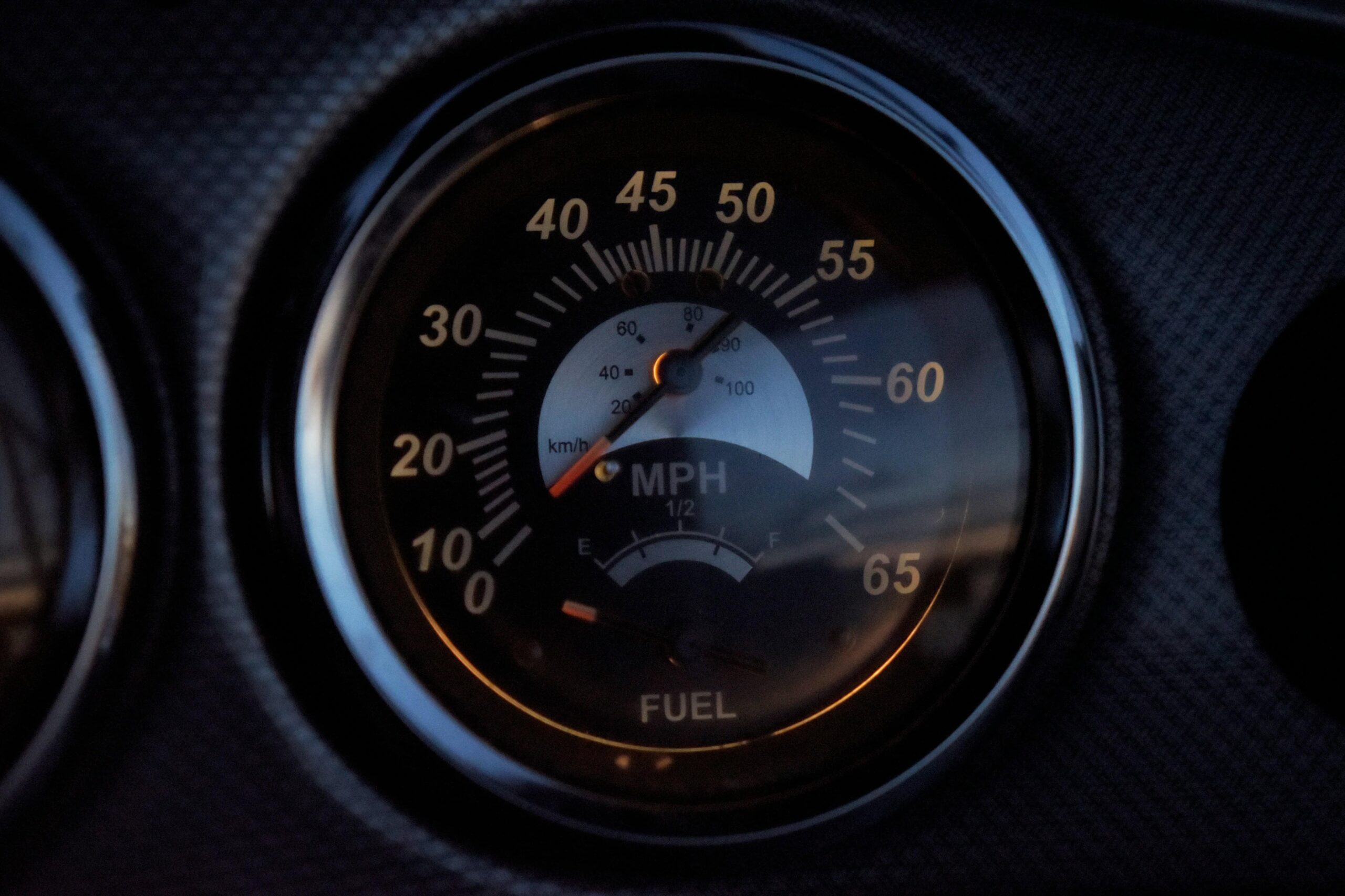
The engine temperature warning light is one of the most important alerts on your dashboard—and one you should never ignore. When this light turns on, it means your engine is running hotter than it should, and continuing to drive can quickly lead to major damage.

From blown head gaskets to complete engine failure, overheating is a serious issue that needs immediate attention. In this guide, we’ll explain what the warning light means, the most common causes, what to do when it turns on, and how to prevent it from happening again.

What the Engine Temperature Warning Light Means

The engine temperature warning light (often shaped like a thermometer inside waves) indicates that your engine is overheating or that something in your cooling system is malfunctioning.

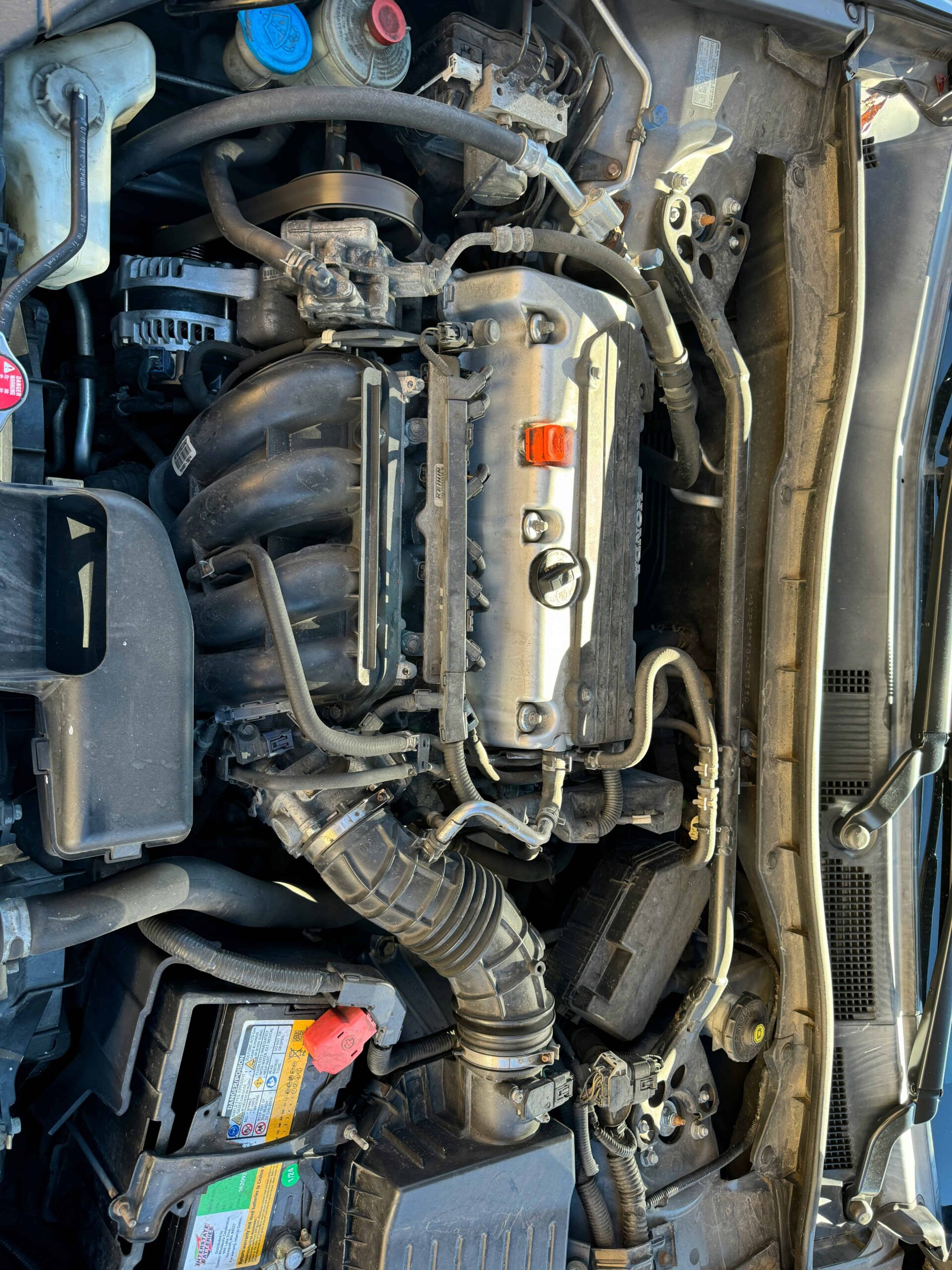
Your engine generates intense heat while running. The cooling system—made up of coolant, the radiator, thermostat, water pump, and hoses—helps regulate that temperature. If any of these components fail, the engine temperature can rise rapidly.

Ignoring this warning light can lead to:

  • Warped cylinder head
  • Blown head gasket
  • Cracked engine block
  • Complete engine failure

This is why fast action is essential.

Common Reasons Your Engine Temperature Warning Light Is On

Several issues can trigger the warning light. Here are the most common causes:

1. Low Coolant Levels

Coolant prevents overheating by absorbing and dissipating heat. When coolant levels drop too low due to leaks or missed maintenance, your engine can no longer stay cool.

2. Radiator Problems

A clogged, damaged, or leaking radiator can’t cool the engine effectively. Problems with radiator fans can also cause overheating, especially at low speeds or in traffic.
Learn more about our expert Radiator Repair and Services → Radiator Repair and Services

3. Faulty Thermostat

Your thermostat regulates coolant flow. If it sticks shut, coolant can’t circulate—causing sudden temperature spikes.

4. Water Pump Failure

The water pump keeps coolant moving throughout the engine. A failing pump can cause overheating in minutes.

5. Obstructions or Blockages

Rust, debris, or sediment inside the cooling system can restrict coolant flow, reducing efficiency and raising engine temperature.

6. Broken or Slipping Belts

If the serpentine belt slips or breaks, the water pump and cooling fan may stop functioning properly.

7. Electrical Problems

Modern engines rely on sensors, fans, and electronic systems to regulate temperature. Electrical issues can cause the cooling fan not to turn on or send incorrect temperature readings.
See our professional Electrical Repairs → Electrical Repairs

What To Do When the Engine Temperature Warning Light Turns On

If the light turns on while driving, follow these steps immediately:

1. Pull Over Safely

Find a safe place to stop as soon as possible to avoid further damage.

2. Turn Off the Engine

Give the engine time to cool down—opening the hood can help heat escape faster.

3. Do NOT Open the Radiator Cap

Wait until the engine is fully cool. Opening it while hot can cause severe burns.

4. Check Coolant Levels

If levels are low and the engine is cool, add coolant if available.
If you see leaks or puddles, call for service.

5. Avoid Driving Until Diagnosis

Driving with an overheating engine—even for a short distance—can result in thousands of dollars in repairs.

How To Prevent Overheating in the Future

Simple maintenance habits can help prevent your engine temperature warning light from ever coming on:

  • Get regular coolant flushes
  • Check coolant levels monthly
  • Inspect hoses for cracks or leaks
  • Keep the radiator clean and free of debris
  • Replace worn belts
  • Get regular vehicle inspections

A healthy cooling system is one of the best ways to protect your engine long-term.

Warning Signs Your Engine Is About to Overheat

Even before the warning light comes on, your vehicle may show signs such as:

  • Rising dashboard temperature gauge
  • Steam coming from under the hood
  • Sweet smell (coolant leak)
  • Reduced power or sluggish performance
  • Heater suddenly blowing cold air

If you notice these symptoms, it’s best to pull over and turn the engine off immediately.

When to Seek Professional Help

You should contact a mechanic if:

  • The warning light stays on
  • You frequently add coolant
  • There are signs of leaks
  • The vehicle overheats more than once
  • Cooling fan isn’t turning on
  • Electrical issues are suspected

Proper diagnostics can prevent serious engine damage.

Stay Safe on the Road — Call EBA Automotive in Allen, TX

If your engine temperature warning light is on, don’t wait—your engine may be in danger.
EBA Automotive in Allen, TX provides expert cooling system diagnostics, radiator repairs, electrical services, and full automotive maintenance to keep your engine running safely and reliably.

Our certified technicians will identify the issue quickly and get you back on the road with confidence.Schedule your appointment with EBA Automotive today and protect your engine before costly damage occurs!

How Often Should I Change My Transmission Fluid?

Your vehicle’s transmission is one of its most important systems, responsible for ensuring smooth gear shifts and consistent power delivery. But to keep it running efficiently, the transmission needs proper lubrication — and that’s where transmission fluid comes in. Knowing when to change transmission fluid is essential for maintaining performance, preventing breakdowns, and avoiding expensive repairs. In this article, we’ll explain how often you should replace your transmission fluid, the signs it’s time for a change, and why professional service at EBA Automotive makes all the difference.

Why Transmission Fluid Maintenance Is Important

Transmission fluid does more than just lubricate — it also cools, cleans, and helps your transmission operate smoothly. Over time, however, it breaks down due to heat, friction, and contaminants. When this happens, the fluid can no longer protect the internal components, leading to rough shifting, slipping gears, or even complete transmission failure. Regular maintenance ensures that your vehicle’s transmission stays in top condition and helps extend its lifespan.

What Does Transmission Fluid Do?

Transmission fluid performs several critical functions. It lubricates moving parts to reduce friction, provides hydraulic pressure for smooth gear changes, and helps cool the system during operation. In automatic vehicles, it also transmits power from the engine to the wheels. For manual transmissions, the fluid (often referred to as gear oil) serves as a lubricant and coolant. Regardless of the type, maintaining clean and adequate transmission fluid is key to preventing wear and tear.

Signs You Need to Change Your Transmission Fluid

There are several warning signs that indicate your transmission fluid may need to be changed. If you notice slipping gears, delayed or harsh shifting, or unusual noises such as grinding or whining, it could mean the fluid has deteriorated. Check the color — healthy transmission fluid is bright red or pink, while old fluid appears dark or smells burnt. Other red flags include fluid leaks underneath your car and dashboard warning lights. Ignoring these symptoms can cause permanent damage, so it’s best to act quickly and schedule a transmission service.

How Often Should Transmission Fluid Be Changed?

The answer to how often to change transmission fluid depends on your car’s make, model, and driving habits. As a general rule, most vehicles require a fluid change every 30,000 to 60,000 miles. Heavy-duty vehicles, those that tow frequently, or cars driven in extreme temperatures may need changes every 15,000 to 30,000 miles. Some modern vehicles have sealed transmissions designed to last up to 100,000 miles before needing service, but that doesn’t mean you should skip inspections. Always refer to your owner’s manual for specific recommendations, or visit EBA Automotive for expert advice tailored to your vehicle.

DIY vs. Professional Transmission Fluid Change

While some drivers attempt to change their own transmission fluid, the process can be complex. Draining the fluid doesn’t always remove all the old liquid or contaminants. A professional transmission flush ensures every drop of old fluid is replaced and the system is properly cleaned. Technicians can also inspect your transmission for leaks, damaged seals, and worn components that could lead to bigger problems later. At EBA Automotive, we use high-quality fluids and advanced equipment to ensure your transmission operates smoothly and efficiently.

Why Choose EBA Automotive for Transmission Service

When it comes to maintaining your vehicle, trust matters. EBA Automotive offers reliable, professional transmission services designed to keep your car running at its best. Our certified technicians are trained to handle all types of transmissions — automatic, manual, and CVT. We use top-grade fluids approved by manufacturers and perform thorough system inspections to identify potential issues before they become costly repairs. Customers choose EBA Automotive for our expertise, transparency, and commitment to quality care.

Tips to Extend the Life of Your Transmission Fluid

You can help your transmission fluid last longer by following a few simple maintenance habits. Check fluid levels regularly and make sure the color is bright and clean. Avoid overloading your vehicle or towing beyond capacity, as excessive heat can degrade the fluid faster. Drive smoothly to prevent unnecessary strain on the transmission, and always fix leaks as soon as they appear. Most importantly, schedule regular transmission inspections with professionals like EBA Automotive to ensure long-term reliability.

Conclusion: Protect Your Transmission with Regular Maintenance

Your transmission is essential to your vehicle’s performance and longevity. Staying on top of maintenance and knowing when to change transmission fluid can save you from major repair bills and keep your ride running smoothly. Whether you’re noticing signs of old fluid or just due for a routine check, professional service is always the safest option.

Keep Your Transmission Running Smoothly with EBA Automotive

Don’t wait until you feel a slip or hear a noise. Ensure your vehicle’s transmission stays in perfect condition with expert service from EBA Automotive. Book your transmission fluid change today and experience the difference that quality care and skilled technicians can make.

Stay Cool This Summer: Expert AC Repair for Cars in Allen, TX

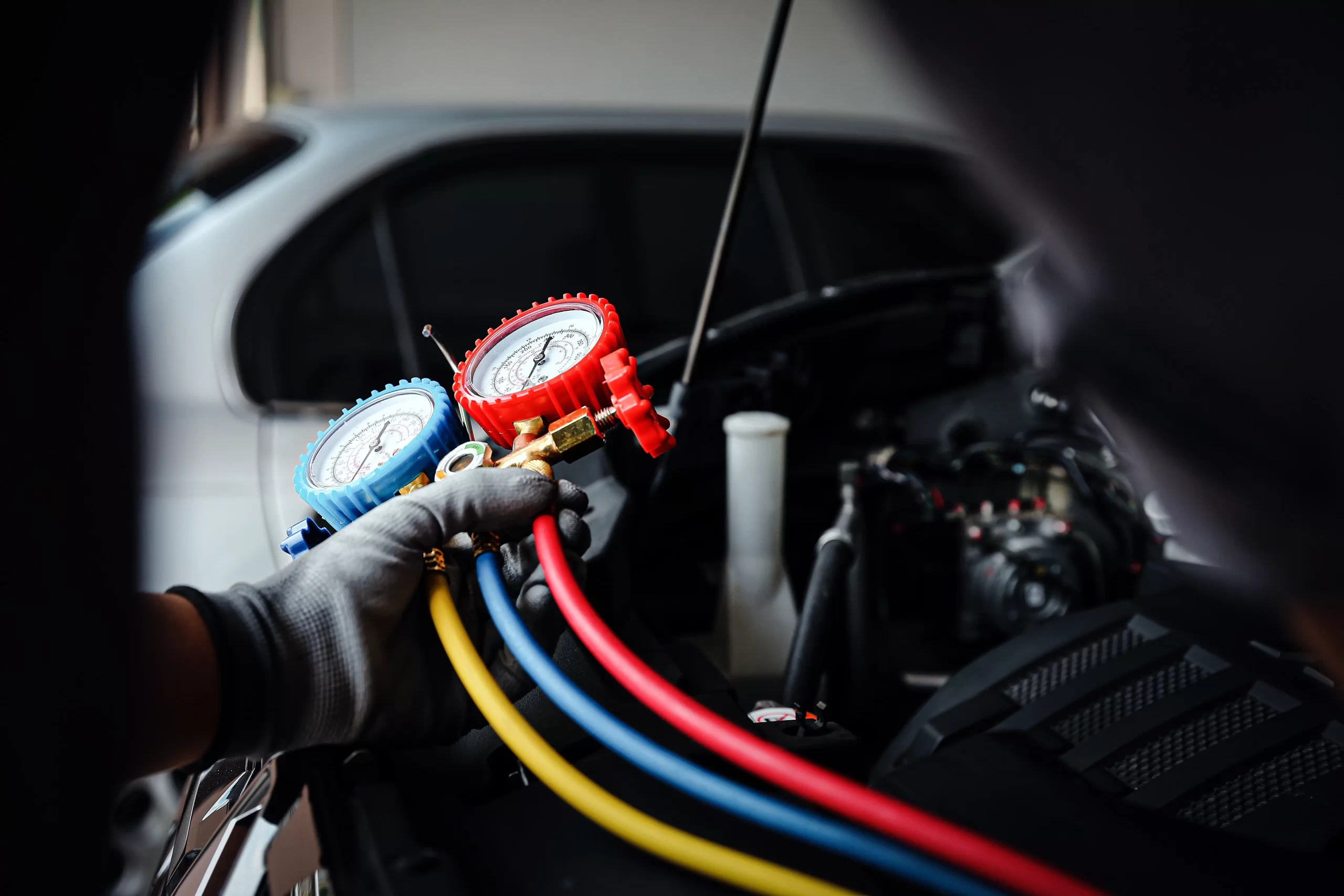
When the Texas heat hits hard, a broken car air conditioner can turn every drive into a miserable experience. At EBA Automotive in Allen, TX, we specialize in AC repair for cars, making sure your vehicle stays cool, comfortable, and safe all year round.

If your car AC is not blowing cold air or blowing hot air, it’s time to bring your vehicle in for a professional inspection.

Why Trust EBA Automotive for Car AC Repair?

With years of experience serving Allen and the surrounding communities, EBA Automotive is your local expert for auto AC service. Our certified technicians quickly diagnose and fix a wide range of car air conditioning problems, including:

  • Low refrigerant (Freon)
  • Failing car AC compressors
  • Blocked or leaking AC condensers
  • Faulty blower motors
  • Electrical issues causing car AC not to work properly

We use state-of-the-art diagnostic tools and offer both routine maintenance and complex vehicle AC repairs.

Call us today at (972) 521-3864 to schedule your appointment.

Common Signs You Need Car AC Repair

Don’t wait until your AC completely fails. Here are some early warning signs that your automotive AC system needs attention:

  • AC blowing hot air in the car
  • Strange noises when the AC is turned on
  • Musty or bad smells from AC vents
  • Water leaking inside the cabin
  • AC takes too long to cool down
  • Visible damage or wear on the AC compressor

If you’re experiencing any of these symptoms, search no further for car AC repair near me—EBA Automotive has you covered.

How Much Does It Cost to Fix a Car AC?

The cost to fix car AC can vary depending on the problem. A simple Freon refill or AC recharge may cost under $200, while more extensive repairs like AC compressor replacement could range from $500 to $1,500.

At EBA Automotive, we offer transparent pricing, free quotes, and detailed explanations so you know exactly what your car AC repair cost estimate includes.

Can I Do DIY Car AC Repair?

While DIY kits are available, improper repairs can damage your system or even void your vehicle’s warranty. Your car’s AC system is complex, involving sensitive components like:

  • The refrigerant system
  • Pressure sensors
  • Electrical relays

For peace of mind and long-lasting performance, trust a certified technician for reliable car AC system repair.

Convenient & Local: Car AC Repair in Allen, TX

Whether you’re in Allen, McKinney, Plano, or surrounding areas, EBA Automotive is your trusted shop for car AC repair near me. We’re conveniently located, and our team works fast to get you back on the road with cool air and peace of mind.

We also offer:

  • Same-day service (based on availability)
  • Friendly, expert technicians
  • Full inspections with every service
  • No-pressure recommendations

Don’t Sweat It — Call EBA Automotive Today

Don’t let the Texas sun win. If your car AC isn’t working, call the pros at EBA Automotive at (972) 521-3864 or visit us in Allen, TX for fast, affordable, and reliable auto air conditioning repair.

5 Costly Car Repair Myths You Should Stop Believing 

When it comes to car repairs, misinformation can lead to unnecessary expenses and even long-term damage to your vehicle. At EBA Automotive in Allen, TX, we believe in educating our customers to help them make the best decisions for their vehicles. Here are five common car repair myths that could end up costing you more than you think—and how EBA Automotive is the solution. 

Myth #1: You Must Get Repairs Done at the Dealership 

Many drivers believe that only dealerships can properly service their vehicles. However, independent auto repair shops like EBA Automotive provide the same high-quality service at a more affordable price. Our ASE-certified technicians use top-grade parts and follow manufacturer guidelines, ensuring your warranty remains valid while saving you money. 

Myth #2: Premium Gas Improves Performance in All Cars 

Unless your owner’s manual specifically requires premium fuel, using it won’t enhance your vehicle’s performance. Most cars are designed to run efficiently on regular fuel, making premium gas an unnecessary expense. At EBA Automotive, we help you choose the best fuel for your vehicle to optimize performance and efficiency without overspending. 

Myth #3: You Need an Oil Change Every 3,000 Miles 

While this was once true, advancements in engine and oil technology mean many vehicles can go 5,000 to 7,500 miles—or even longer—between oil changes. At EBA Automotive, we customize maintenance schedules based on your car’s specific needs, preventing unnecessary service costs while keeping your engine in peak condition. 

Myth #4: A Check Engine Light Means an Expensive Repair 

Seeing the check engine light can be stressful, but it doesn’t always indicate a costly issue. Sometimes, it could be something as minor as a loose gas cap. However, ignoring it can lead to bigger problems. At EBA Automotive, we use state-of-the-art diagnostic tools to pinpoint the issue quickly and accurately, helping you avoid unnecessary repairs and expenses. 

Myth #5: DIY Repairs Save Money 

While some minor maintenance tasks can be done at home, attempting complex repairs without the right tools and expertise can lead to costly mistakes. Incorrectly fixing a problem can cause more damage, ultimately increasing repair costs. Trusting EBA Automotive ensures the job is done right the first time, saving you time, money, and stress. 

Trust EBA Automotive for Reliable, Honest Service —At EBA Automotive, we are committed to providing honest, top-quality auto repair services to keep your vehicle running smoothly. Don’t let these common myths lead to unnecessary costs—we’re here to help you make informed decisions about your car’s maintenance and repairs. Call us today at (972) 521-3864 to schedule your next service appointment! 

The Importance of Car Maintenance: Keep Your Vehicle Running Smoothly

Why Regular Car Maintenance Matters 

Owning a vehicle is a significant investment and keeping it in top shape should be a priority for every car owner. At EBA Automotive in Allen, TX, we understand the importance of regular maintenance and how it extends the life of your car while ensuring safety on the road. That’s why we offer expert, reliable, and affordable automotive services tailored to keep your vehicle running at peak performance. 

Why Choose EBA Automotive? 

At EBA Automotive in Allen, TX, we don’t just provide maintenance services—we deliver peace of mind. Our team of highly skilled technicians uses state-of-the-art equipment to diagnose, repair, and maintain all makes and models. Whether you need a routine oil change or complex engine diagnostic, we have the expertise to get the job done right the first time. 

Benefits of Regular Car Maintenance 

  1. Improved Safety 
    Routine maintenance helps identify potential issues before they become major problems. Checking brakes, tires, and fluid levels ensures your vehicle operates safely. Our thorough inspections at EBA Automotive help prevent unexpected breakdowns and costly accidents. 
  1. Enhanced Performance 
    Regular oil changes, tire rotations, and engine check-ups keep your vehicle running smoothly, improving fuel efficiency and overall performance. Our expert team ensures your car performs at its best, giving you a smooth and efficient ride. 
  1. Cost Savings 
    Preventative maintenance reduces the risk of expensive repairs down the line. Catching a minor issue early can save you from major mechanical failures. At EBA Automotive, we believe in transparent pricing and honest service, ensuring you get the best value for your money. 
  1. Extended Vehicle Lifespan 
    A well-maintained car lasts longer, giving you more years of reliable service and better resale value. Our commitment to quality service means your vehicle stays on the road longer with fewer unexpected repairs. 

EBA Automotive: Your Trusted Car Care Partner 

At EBA Automotive in Allen, TX, we offer a full range of maintenance services, including: 

  • Oil changes 
  • Brake inspections and repairs 
  • Tire rotations and alignments 
  • Battery testing and replacements 
  • Engine diagnostics 
  • Transmission services 

Our friendly and knowledgeable staff are here to provide expert guidance and top-tier service, making us the go-to choice for car maintenance in Allen, TX. When you trust us with your vehicle, you’re choosing reliability, expertise, and a commitment to excellence. 

Schedule Your Maintenance Today 

Don’t wait until a breakdown leaves you stranded! Stay ahead with routine car maintenance from EBA Automotive in Allen, TX. Our experienced technicians are here to keep your vehicle running at its best. Call us today at (972) 521-3864 to schedule your next service appointment! Let EBA Automotive be the solution to all your car maintenance needs.