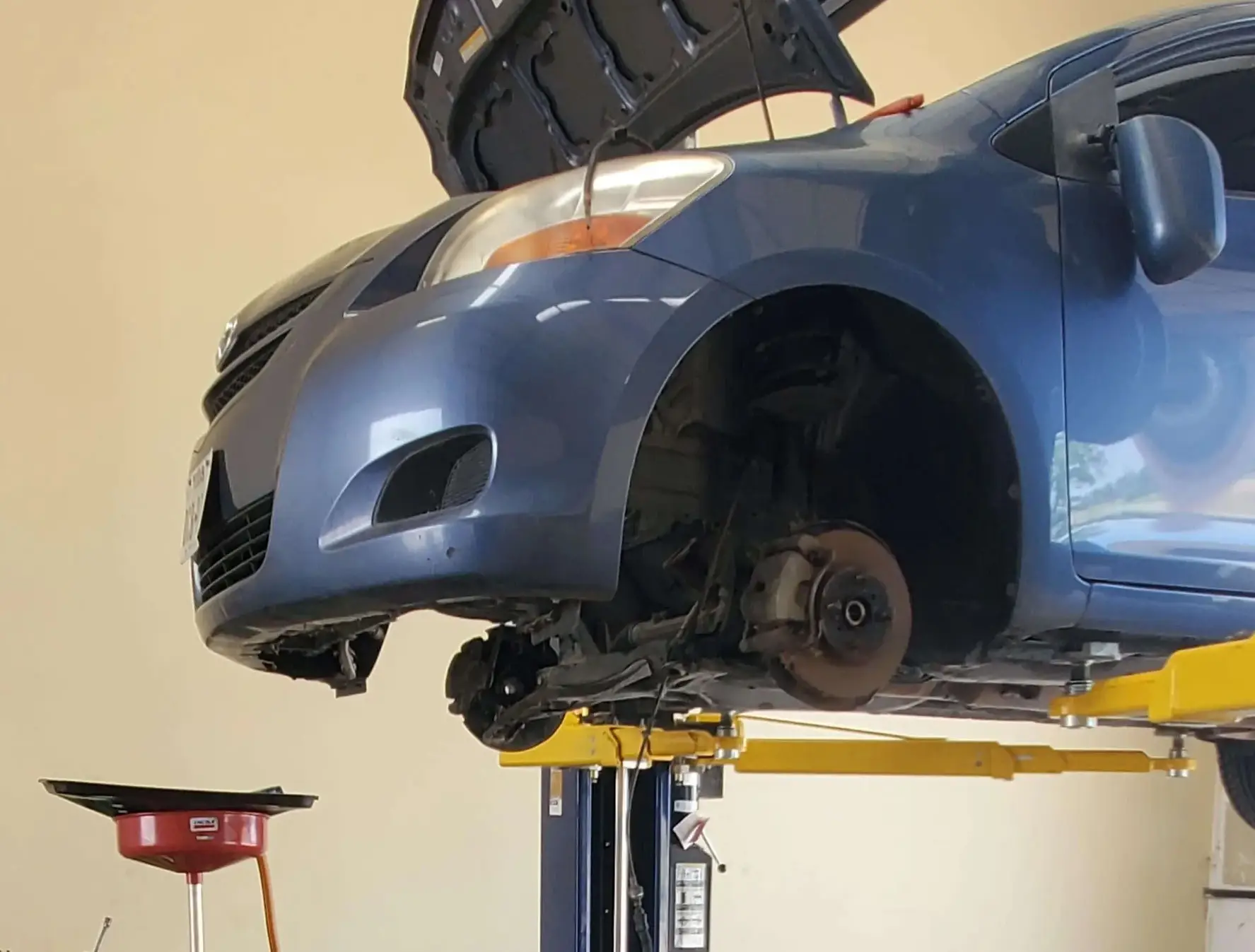
Staying on top of car maintenance is one of the smartest ways to prevent inconvenient breakdowns, keep repair costs under control, and make sure your vehicle stays safe and dependable. The key is consistency—small services done on time can save you from much bigger repairs later.
The most reliable approach is simple: follow your owner’s manual, then fine-tune the timing based on how you drive day to day. Here’s a clear, practical schedule you can use.
The Best Guideline: Time or Mileage—Whichever Comes First
Most service intervals are set by:
- Mileage driven
- Time passed
Even if your car doesn’t rack up many miles, maintenance still matters. Fluids age, rubber seals dry out, and batteries lose strength over time. That’s why many recommendations are written like “every 6 months or 5,000–8,000 km (or miles), whichever comes first.”
A Realistic Car Maintenance Schedule
Every 2–4 Weeks (or regularly between visits)
These quick checks take minutes but can prevent bigger issues:
- Check tire pressure
- Look at oil level (especially important for older vehicles)
- Top off windshield washer fluid
- Do a quick walk-around: look for leaks, cracked lights, or unusual tire wear
If you spot uneven wear on the tires, that can be a sign of alignment or suspension problems.
Every 6 Months or 3,000–5,000 Miles (5,000–8,000 km)
This is a common routine for many drivers, especially in mixed city/highway conditions:
- Oil and filter change (interval depends on oil type and your engine)
- Tire rotation
- Brake inspection (pads, rotors, and overall braking feel)
- Fluid inspection and top-offs (coolant, brake fluid, power steering if applicable, washer fluid)
- Battery testing (helps avoid sudden no-start situations)
If your driving includes short trips, heavy traffic, delivery work, towing, or lots of idling, it’s wise to service a bit more frequently.
Every 12 Months or 7,500–10,000 Miles (12,000–16,000 km)
An annual visit is a good time for a more complete “health check.”
- Comprehensive inspection (suspension, steering, exhaust, belts, hoses)
- Replace cabin air filter (so HVAC airflow stays strong and clean)
- Check/replace engine air filter (more often if you drive dusty roads)
- Alignment evaluation
- A/C and heating performance check
Every 2–3 Years (or 25,000–40,000 Miles / 40,000–60,000 km)
This is where preventive maintenance really pays off:
- Brake fluid service (many vehicles benefit from periodic replacement)
- Coolant service (varies by make/model—manual guidance matters)
- Transmission service (depends on design and manufacturer specs)
- Spark plug replacement (interval varies widely based on plug type)
- Fuel system service (usually needs-based, depending on symptoms)
If you’re not sure whether your vehicle has a timing belt or a timing chain, it’s worth finding out. Timing belts require replacement at specific intervals, and skipping it can lead to severe engine damage.
Signs You Should Schedule Maintenance Earlier Than Planned
Even if you’re following a schedule, these warnings deserve attention right away:
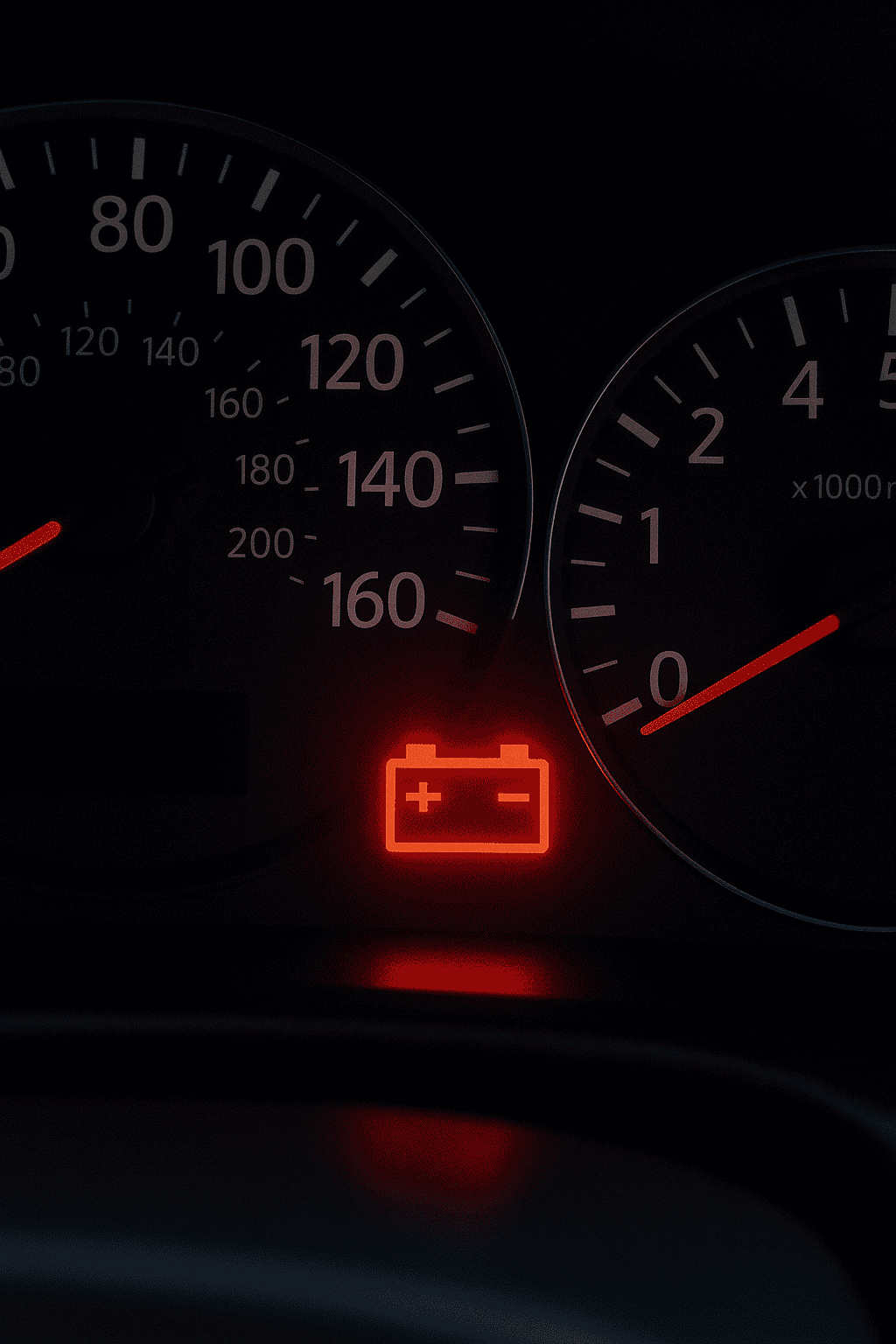
- Dashboard lights turning on (check engine, ABS, oil pressure, battery)
- Shaking steering wheel, drifting/pulling, or vibration at speed
- Brake noises (squealing, grinding) or a “soft” brake pedal
- New leaks or burning smells
- Overheating or fluctuating temperature gauge
- Sluggish starts, dim lights, or electrical issues
Seasonal Maintenance Is a Big Deal Too
Before extreme heat or cold
- Battery test and charging system check
- Tire condition check and pressure adjustment
- Brake inspection
- Wipers and washer fluid
- Coolant strength and level check
After a rough season
- Alignment check
- Suspension and undercarriage inspection
- Tire wear review
- Brake re-check if conditions were demanding
A Simple “Easy Mode” Maintenance Plan
If you want a straightforward routine that works for most vehicles:
- Every 6 months: oil change + tire rotation + inspection
- Every year: cabin filter + battery test + alignment check
- Every 2–3 years: brake fluid + coolant/transmission service (as needed)
- At key mileage milestones: belts, spark plugs, timing belt (if equipped)
Final Takeaway
A consistent maintenance rhythm helps your car last longer, drives better, and reduces the chance of unexpected repair bills. For many drivers, a professional inspection about twice a year plus annual deeper checks is a solid, practical approach.
CTA: Keep Your Car on Track with EBA Automotive in Parker, TX
If you’d like a maintenance schedule customized to your vehicle, your mileage, and how you actually drive, EBA Automotive in Parker, TX can help. From routine inspections and oil services to brake checks and long-term maintenance planning, their team can keep your vehicle running reliably and help you stay ahead of costly surprises.
Contact EBA Automotive to schedule your next maintenance appointment in Parker, TX—and drive with confidence knowing your car is cared for the right way.