How Often Should You Schedule Car Maintenance?
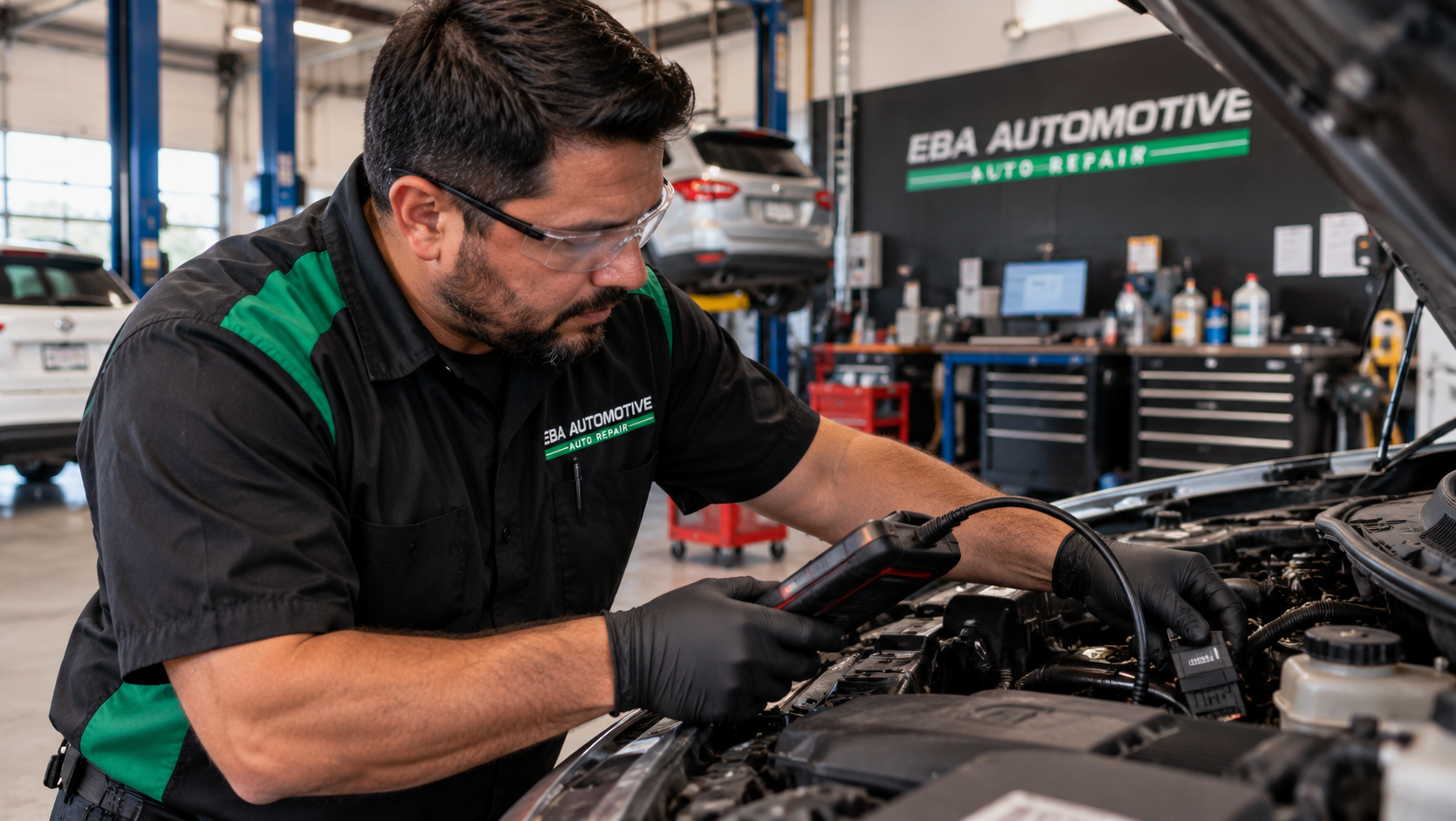
Staying on top of car maintenance is one of the smartest ways to prevent inconvenient breakdowns, keep repair costs under control, and make sure your vehicle stays safe and dependable. The key is consistency—small services done on time can save you from much bigger repairs later. The most reliable approach is simple: follow your owner’s manual, then fine-tune the timing based on how you drive day to day. Here’s a clear, practical schedule you can use. The Best Guideline: Time or Mileage—Whichever Comes First Most service intervals are set by: Even if your car doesn’t rack up many miles, maintenance still matters. Fluids age, rubber seals dry out, and batteries lose strength over time. That’s why many recommendations are written like “every 6 months or 5,000–8,000 km (or miles), whichever comes first.” A Realistic Car Maintenance Schedule Every 2–4 Weeks (or regularly between visits) These quick checks take minutes but

Why Is My Engine Temperature Warning Light On?
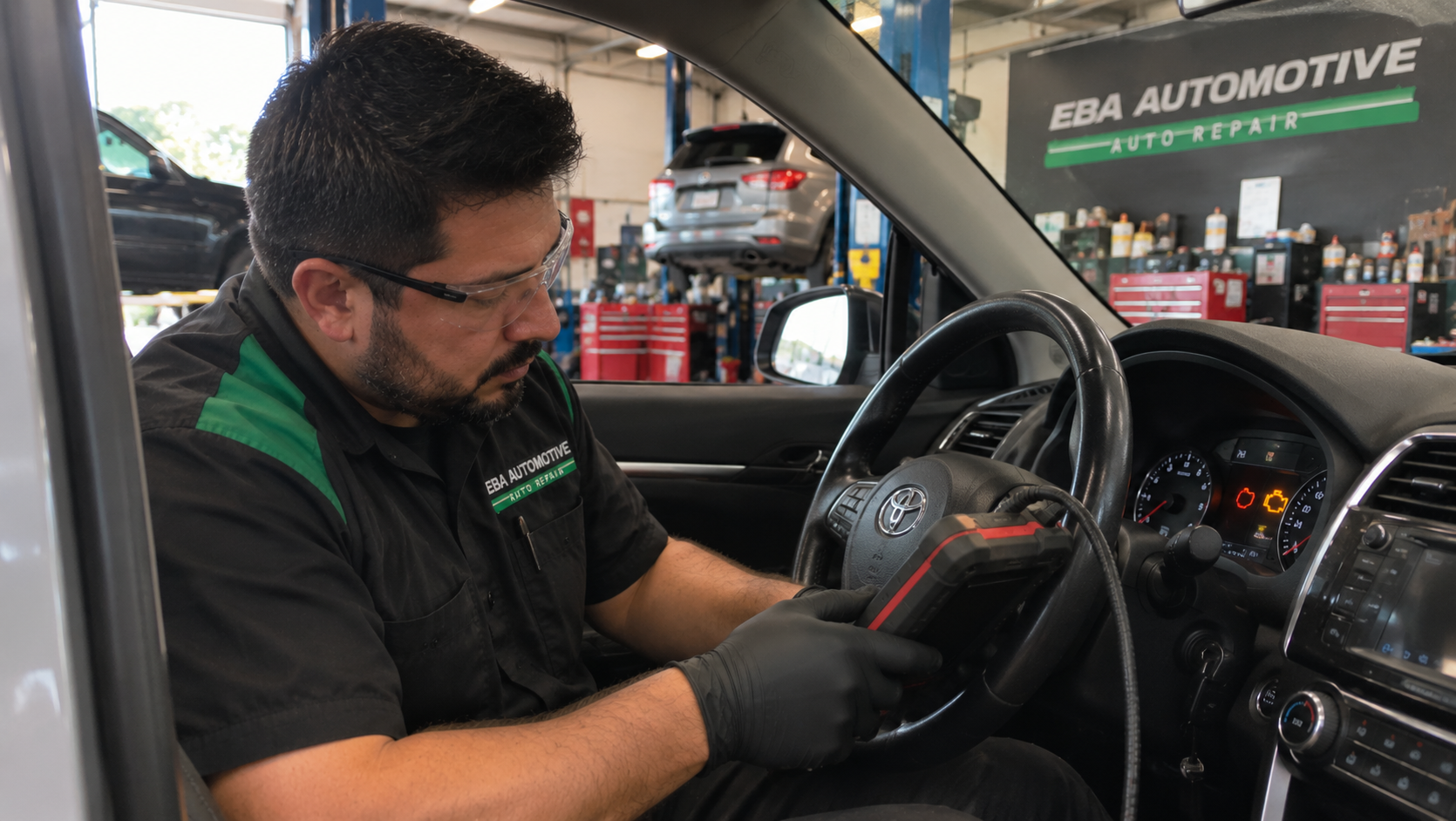
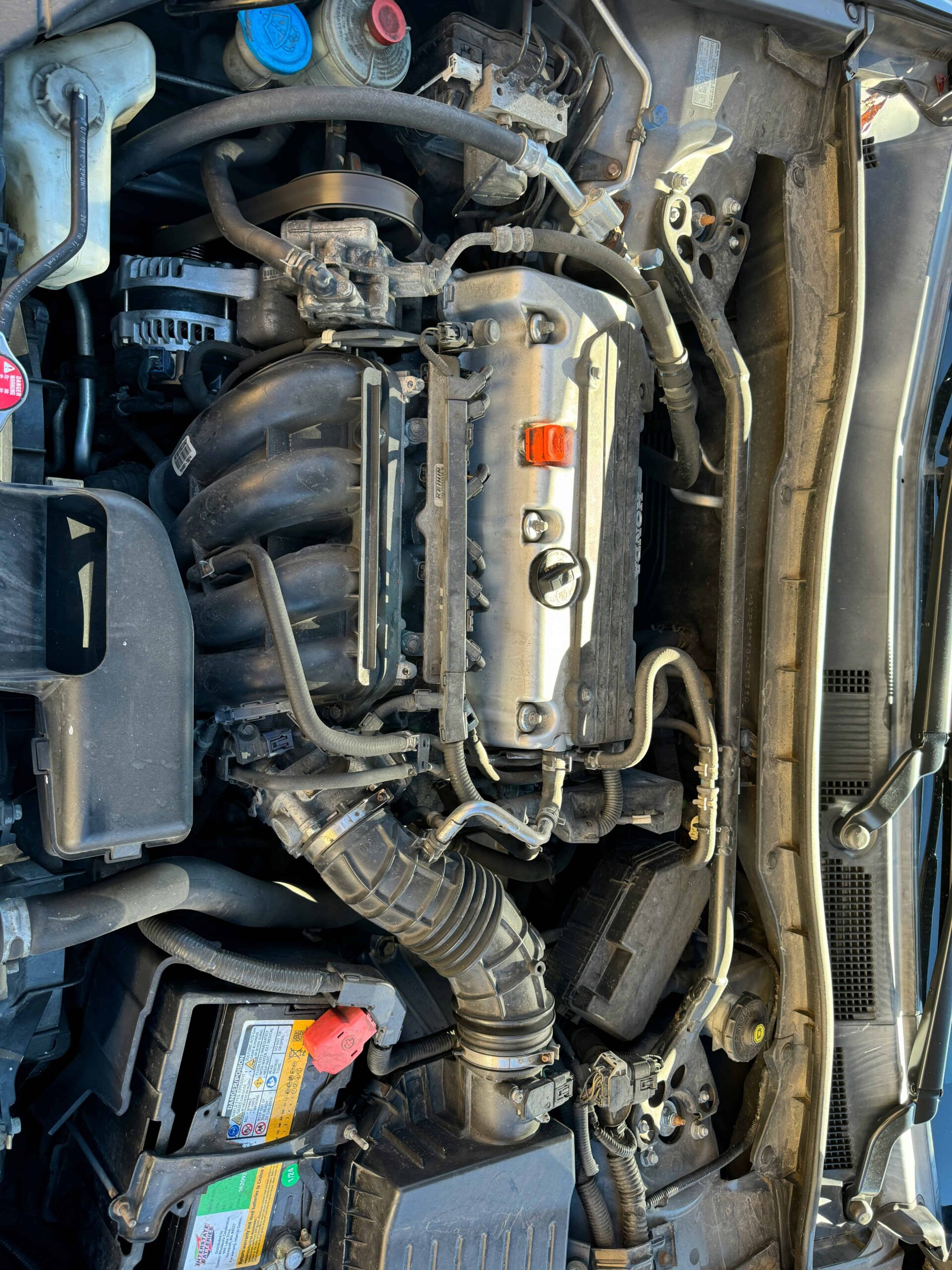
The engine temperature warning light is one of the most important alerts on your dashboard—and one you should never ignore. When this light turns on, it means your engine is running hotter than it should, and continuing to drive can quickly lead to major damage. From blown head gaskets to complete engine failure, overheating is a serious issue that needs immediate attention. In this guide, we’ll explain what the warning light means, the most common causes, what to do when it turns on, and how to prevent it from happening again. What the Engine Temperature Warning Light Means The engine temperature warning light (often shaped like a thermometer inside waves) indicates that your engine is overheating or that something in your cooling system is malfunctioning. Your engine generates intense heat while running. The cooling system—made up of coolant, the radiator, thermostat, water pump, and hoses—helps regulate that temperature. If any

How Often Should I Change My Transmission Fluid?
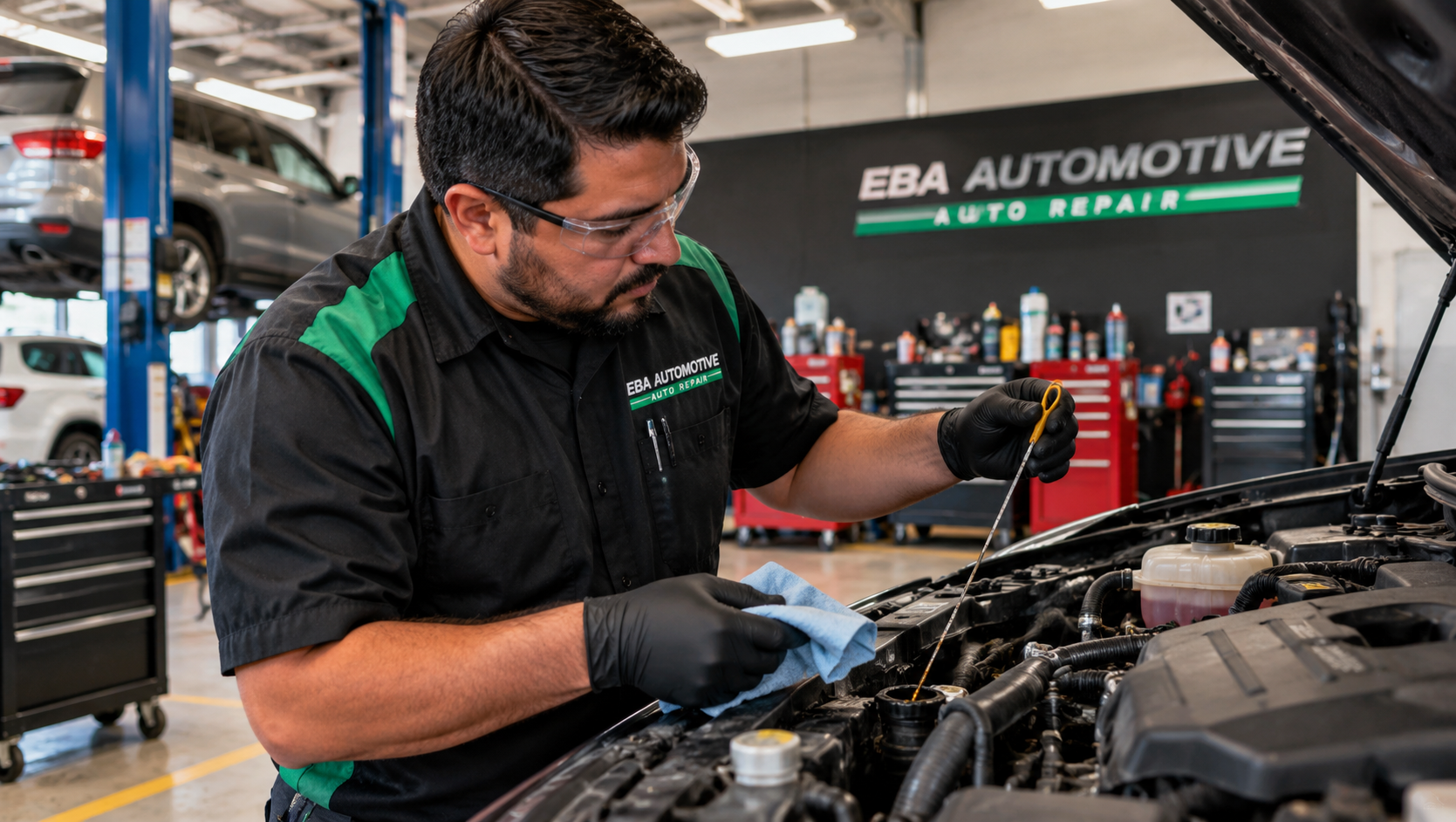
Your vehicle’s transmission is one of its most important systems, responsible for ensuring smooth gear shifts and consistent power delivery. But to keep it running efficiently, the transmission needs proper lubrication — and that’s where transmission fluid comes in. Knowing when to change transmission fluid is essential for maintaining performance, preventing breakdowns, and avoiding expensive repairs. In this article, we’ll explain how often you should replace your transmission fluid, the signs it’s time for a change, and why professional service at EBA Automotive makes all the difference. Why Transmission Fluid Maintenance Is Important Transmission fluid does more than just lubricate — it also cools, cleans, and helps your transmission operate smoothly. Over time, however, it breaks down due to heat, friction, and contaminants. When this happens, the fluid can no longer protect the internal components, leading to rough shifting, slipping gears, or even complete transmission failure. Regular maintenance ensures that

What to Do When Your Battery Warning Light Turns On
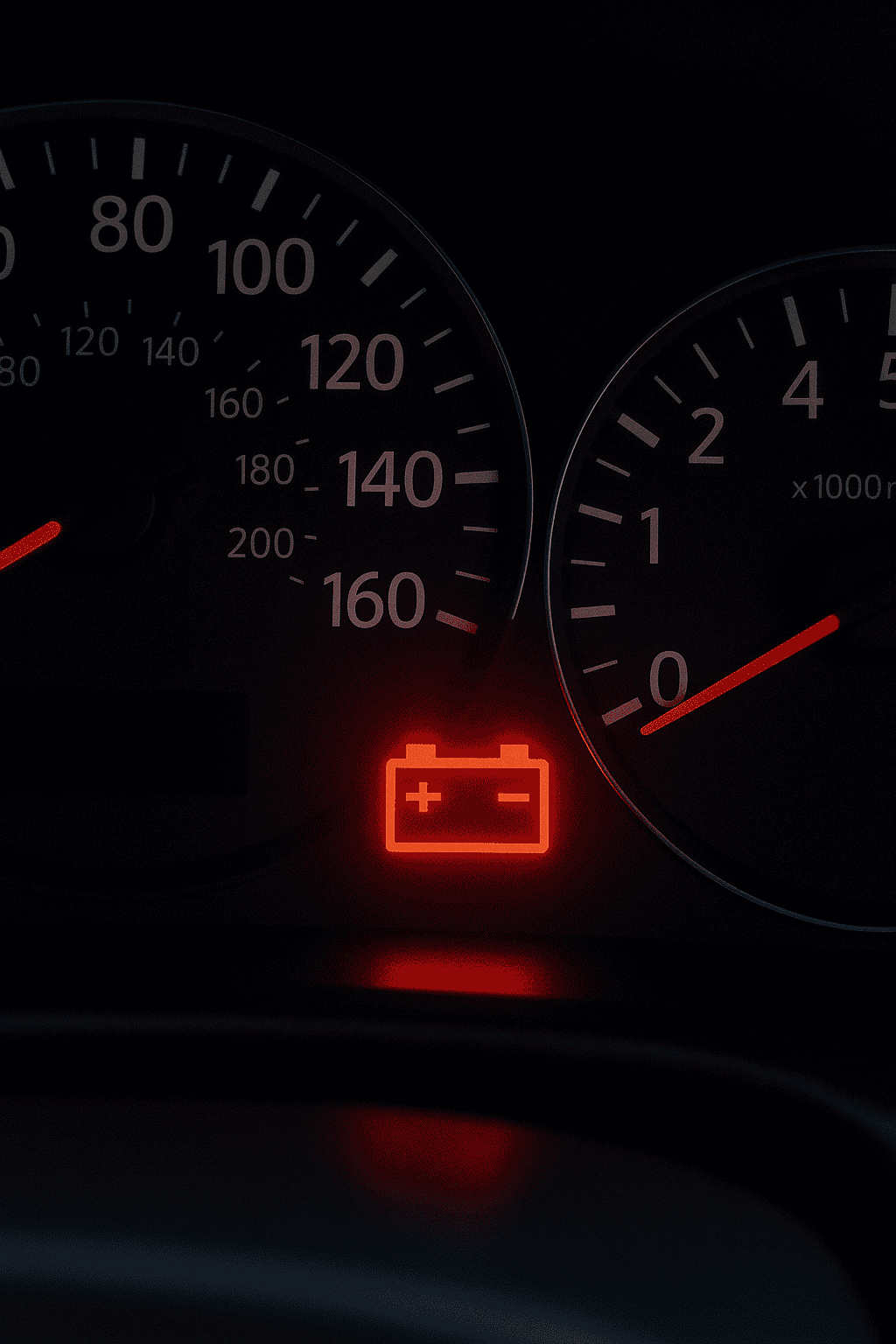
That little red or yellow battery symbol popping up on your dashboard is one of the most critical and yet most misunderstood warnings in your car. Many drivers assume it simply means the battery is weak, but the truth is far more serious: when the battery light turns on while driving, it signifies a catastrophic failure in your vehicle’s charging system. Here is the crucial distinction: the battery’s job is purely to provide a brief burst of power to start the engine. Once the engine is running, the alternator takes over. The alternator generates the continuous electrical power required to run everything—the ignition system, fuel pump, headlights, wipers, and —while simultaneously recharging the battery. Therefore, if the light is on, it means the alternator is no longer doing its job. Your car is running purely on the finite, stored energy within the battery. This isn’t just an inconvenience; it’s a

Stay Cool This Summer: Expert AC Repair for Cars in Allen, TX
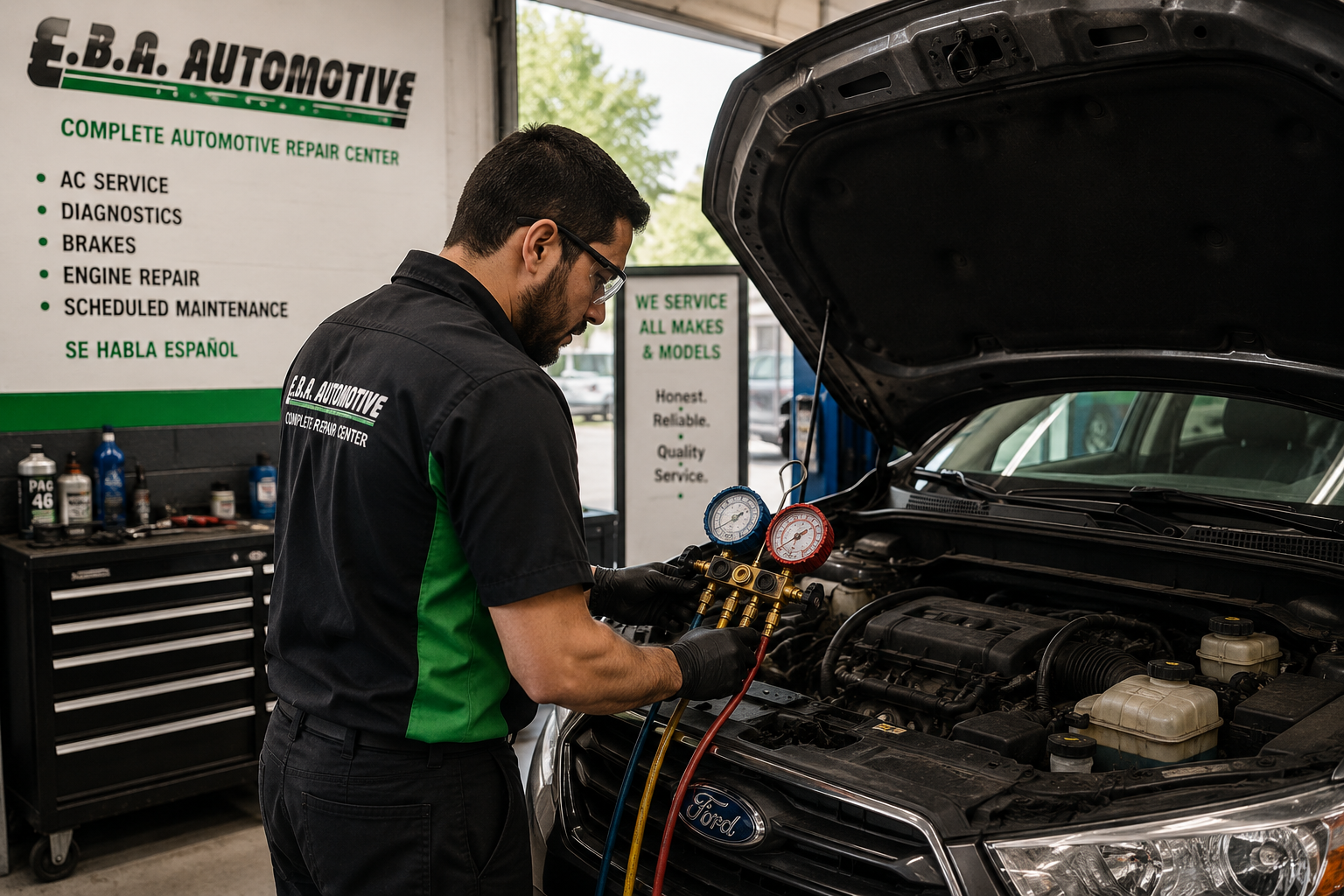
When the Texas heat hits hard, a broken car air conditioner can turn every drive into a miserable experience. At EBA Automotive in Allen, TX, we specialize in AC repair for cars, making sure your vehicle stays cool, comfortable, and safe all year round. If your car AC is not blowing cold air or blowing hot air, it’s time to bring your vehicle in for a professional inspection. Why Trust EBA Automotive for Car AC Repair? With years of experience serving Allen and the surrounding communities, EBA Automotive is your local expert for auto AC service. Our certified technicians quickly diagnose and fix a wide range of car air conditioning problems, including: We use state-of-the-art diagnostic tools and offer both routine maintenance and complex vehicle AC repairs. Call us today at (972) 521-3864 to schedule your appointment. Common Signs You Need Car AC Repair Don’t wait until your AC completely

5 Costly Car Repair Myths You Should Stop Believing
When it comes to car repairs, misinformation can lead to unnecessary expenses and even long-term damage to your vehicle. At EBA Automotive in Allen, TX, we believe in educating our customers to help them make the best decisions for their vehicles. Here are five common car repair myths that could end up costing you more than you think—and how EBA Automotive is the solution. Myth #1: You Must Get Repairs Done at the Dealership Many drivers believe that only dealerships can properly service their vehicles. However, independent auto repair shops like EBA Automotive provide the same high-quality service at a more affordable price. Our ASE-certified technicians use top-grade parts and follow manufacturer guidelines, ensuring your warranty remains valid while saving you money. Myth #2: Premium Gas Improves Performance in All Cars Unless your owner’s manual specifically requires premium fuel, using it won’t enhance your vehicle’s performance. Most cars are designed